

Understanding Puppy Vaccinations and Maternal Antibodies: What Every New Puppy Owner Should Know
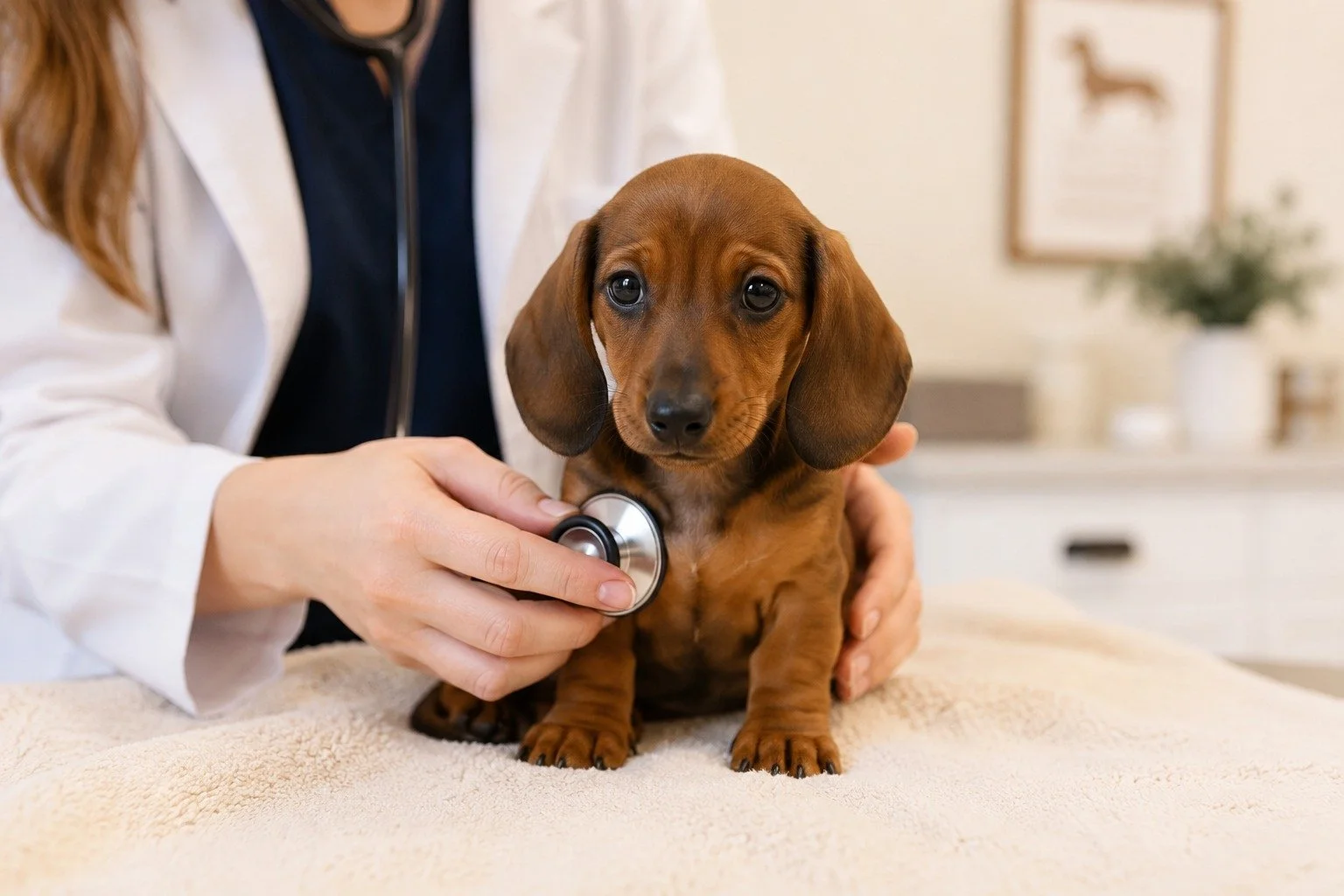
One of the most common misconceptions new puppy owners have is believing that once a puppy receives its first vaccine, it is immediately and fully protected against disease. In reality, puppy vaccinations are much more complex, especially during the first few months of life.
At Carolina Dachshunds, we believe that educating families is one of the most important parts of raising healthy puppies. Understanding how maternal antibodies work and why puppies need a full vaccination schedule can help protect your new companion during these critical early stages.
🩺 What Are Maternal Antibodies in Puppies?
Maternal antibodies are protective antibodies passed from the mother dog to her puppies, primarily through nursing during the first few days of life. These antibodies help provide early immune protection while a puppy’s own immune system is still developing.
Generally, the healthier and more vaccinated the mother is, the stronger the maternal antibodies passed to her puppies. This is a very good thing and plays an important role in early puppy health.
However, there is an important detail many new puppy owners do not realize:
Maternal antibodies can interfere with puppy vaccinations.
🐶 Why Puppy Vaccines Sometimes Do Not Fully Work Early On
As puppies grow, maternal antibodies gradually begin to decline. During this transition period, the mother’s antibodies may still be strong enough to partially neutralize or “block” a vaccine before the puppy’s immune system can fully respond to it.
This is one of the main reasons veterinarians recommend a series of puppy vaccinations rather than a single vaccine.
Typically:
Maternal antibodies begin decreasing around 6–8 weeks of age
By 12–16 weeks, antibody levels are usually low enough for vaccines to provide stronger long-term protection
This timing is critical when building an effective puppy vaccination schedule.
💉 Why Puppies Need Multiple Vaccinations
Puppy vaccines are carefully scheduled to work alongside the gradual decline of maternal antibodies. Booster vaccines help ensure your puppy develops proper immunity as maternal protection fades.
Veterinarians typically recommend beginning vaccinations around 6–8 weeks of age and continuing boosters every few weeks until approximately 16 weeks old.
This helps provide stronger, longer-lasting protection against common canine diseases.
📅 General Puppy Vaccination Schedule
Every puppy is different, and your veterinarian may recommend adjustments based on lifestyle, region, and risk factors. However, a typical puppy vaccination schedule often includes:
6–8 Weeks
Core vaccines:
Distemper
Parvovirus
Adenovirus (Canine Hepatitis)
Optional vaccines:
Bordetella (Kennel Cough)
Parainfluenza
10–12 Weeks
Core vaccines:
Distemper
Parvovirus
Adenovirus
Optional vaccines:
Bordetella
Parainfluenza
Rabies vaccination may also begin during this stage depending on local regulations and veterinary guidance.
14–16 Weeks
Core vaccines:
Distemper
Parvovirus
Adenovirus
Additional boosters may be recommended to strengthen immunity.
Annual or Veterinary-Recommended Boosters
Many adult dogs require periodic booster vaccines throughout life to maintain protection.
Your veterinarian will determine the best long-term vaccine schedule based on:
Lifestyle
Exposure risk
Regional disease prevalence
Overall health
🐾 Why Staying Current on Puppy Vaccines Matters
One of the most important things new puppy owners should understand is this:
A breeder providing an initial vaccine does not mean a puppy is fully protected.
The early vaccines are simply the beginning of a carefully timed process designed to help puppies build long-term immunity.
Keeping your puppy on schedule with veterinarian-recommended boosters is essential for helping protect against serious illnesses like:
Parvovirus
Distemper
Hepatitis
Kennel Cough
❤️ Our Commitment at Carolina Dachshunds
At Carolina Dachshunds, we take pride in helping families feel informed and confident as they welcome a new puppy home. Our goal is not only to raise healthy dachshund puppies, but also to provide owners with the knowledge and support needed to help their puppies thrive for years to come.
Always consult directly with your veterinarian regarding the best vaccination schedule for your puppy’s individual needs.
🐾 Carolina Dachshunds, Inc.
Sweetest Dogs in the South
