

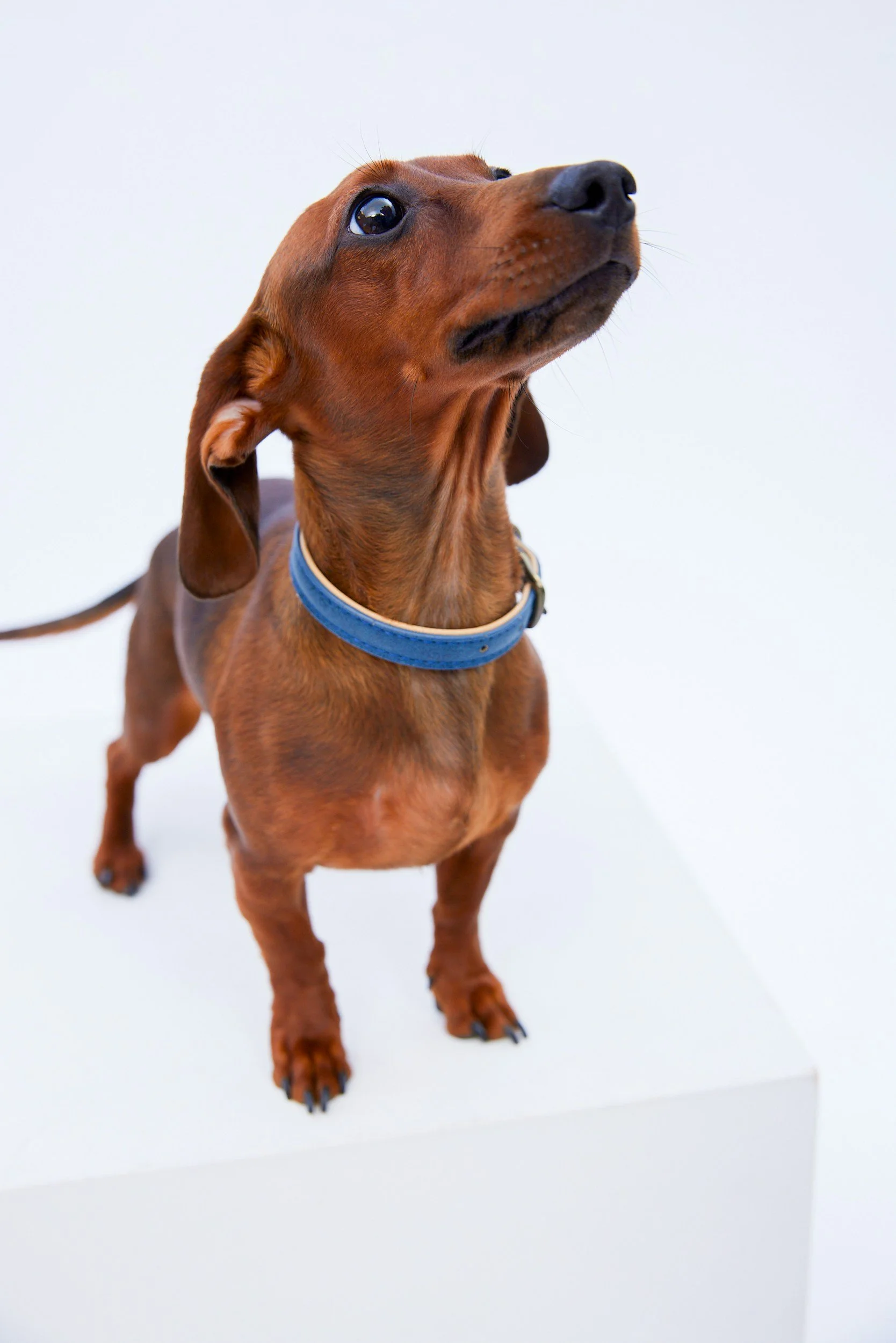
Dachshund Separation Anxiety
Dachshunds are known for their loyal and affectionate personalities, which is one of the many reasons families fall in love with the breed. Because they form such strong bonds with their owners, some dachshunds may experience separation anxiety or stress when left alone for longer periods of time.
At Carolina Dachshunds, we believe understanding dachshund behavior and creating healthy routines can help puppies feel more confident, secure, and comfortable as they grow. While every dog is different, many dachshund owners experience some level of attachment-related behaviors throughout puppyhood and adulthood.
Why Dachshunds Become So Attached
Dachshunds were originally bred to work closely alongside humans, and many naturally develop deep bonds with their families. They are often happiest when they are included in everyday life and close to their favorite people.
Many dachshund owners describe their dogs as:
Loyal companions
Velcro dogs
Affectionate cuddle buddies
Emotionally connected
Attention-seeking and loving
Because of these strong bonds, some dachshunds may become anxious or stressed when routines suddenly change or when left alone without preparation.
Signs of Separation Anxiety in Dachshunds
Separation anxiety can look different in every dog, but some common signs may include:
Whining or barking when left alone
Following owners constantly
Destructive chewing
Pacing or restlessness
Accidents in the house
Excessive attachment behaviors
Difficulty settling down when alone
Mild attachment behaviors are common in dachshunds, but more severe anxiety may require additional support or guidance from a veterinarian or trainer.
How to Help a Dachshund With Separation Anxiety
Creating calm, consistent routines can help many dachshunds feel safer and more comfortable when spending time alone.
Helpful strategies may include:
Gradually increasing alone time
Creating predictable daily routines
Using calming toys or enrichment activities
Providing safe and cozy resting areas
Avoiding dramatic arrivals and departures
Encouraging confidence and independence
Consistency and patience are often important parts of helping puppies adjust to new routines.
Create Safe and Comfortable Spaces
Many dachshunds feel more secure when they have calm, designated areas for rest and relaxation.
Helpful setup items may include:
Crates or playpens
Orthopedic dog beds
Cozy blankets
Calming toys
Puppy-safe chew toys
Soft lighting or white noise
Creating a comforting environment may help puppies settle more easily during quiet time or periods alone.
Mental Stimulation for Dachshunds
Dachshunds are intelligent dogs that benefit from regular mental engagement and enrichment.
Helpful enrichment activities may include:
Puzzle toys
Snuffle mats
Training games
Short walks
Interactive feeding toys
Gentle play sessions
Mental stimulation can help reduce boredom and encourage healthier behaviors throughout the day.
Building Independence Gradually
Many dachshund puppies benefit from learning independence in small, gradual steps. Short periods of alone time combined with positive experiences may help puppies become more comfortable spending time independently.
Helpful approaches may include:
Leaving the room briefly
Encouraging solo play
Rewarding calm behavior
Practicing short departures
Maintaining calm routines
Building confidence gradually often works better than sudden long periods alone.
Frequently Asked Questions
Are dachshunds prone to separation anxiety?
Because dachshunds form strong bonds with their owners, some may experience attachment-related behaviors or separation anxiety when left alone.
Why does my dachshund follow me everywhere?
Dachshunds are naturally loyal and affectionate dogs and often enjoy staying close to their owners throughout the day.
Can crate training help separation anxiety?
Many owners use crates or safe puppy spaces to help create calm routines and secure resting environments for dachshunds.
How long can dachshund puppies be left alone?
Young puppies generally require more frequent supervision, potty breaks, and interaction compared to adult dogs.
What toys help dachshund separation anxiety?
Puzzle toys, snuffle mats, chew toys, and enrichment activities may help provide mental stimulation and comfort during alone time.
Life at Carolina Dachshunds
At Carolina Dachshunds, we are passionate about helping families feel informed and supported throughout every stage of dachshund ownership. From puppy socialization and training to wellness, routines, and emotional development, we believe thoughtful preparation helps puppies grow into confident and well-adjusted companions.
We are honored to help families begin their dachshund journey and love sharing the routines, resources, and experiences that have helped our own dogs thrive.