

Dachshunds and Back Problems: Understanding IVDD and How to Protect Your Dachshund
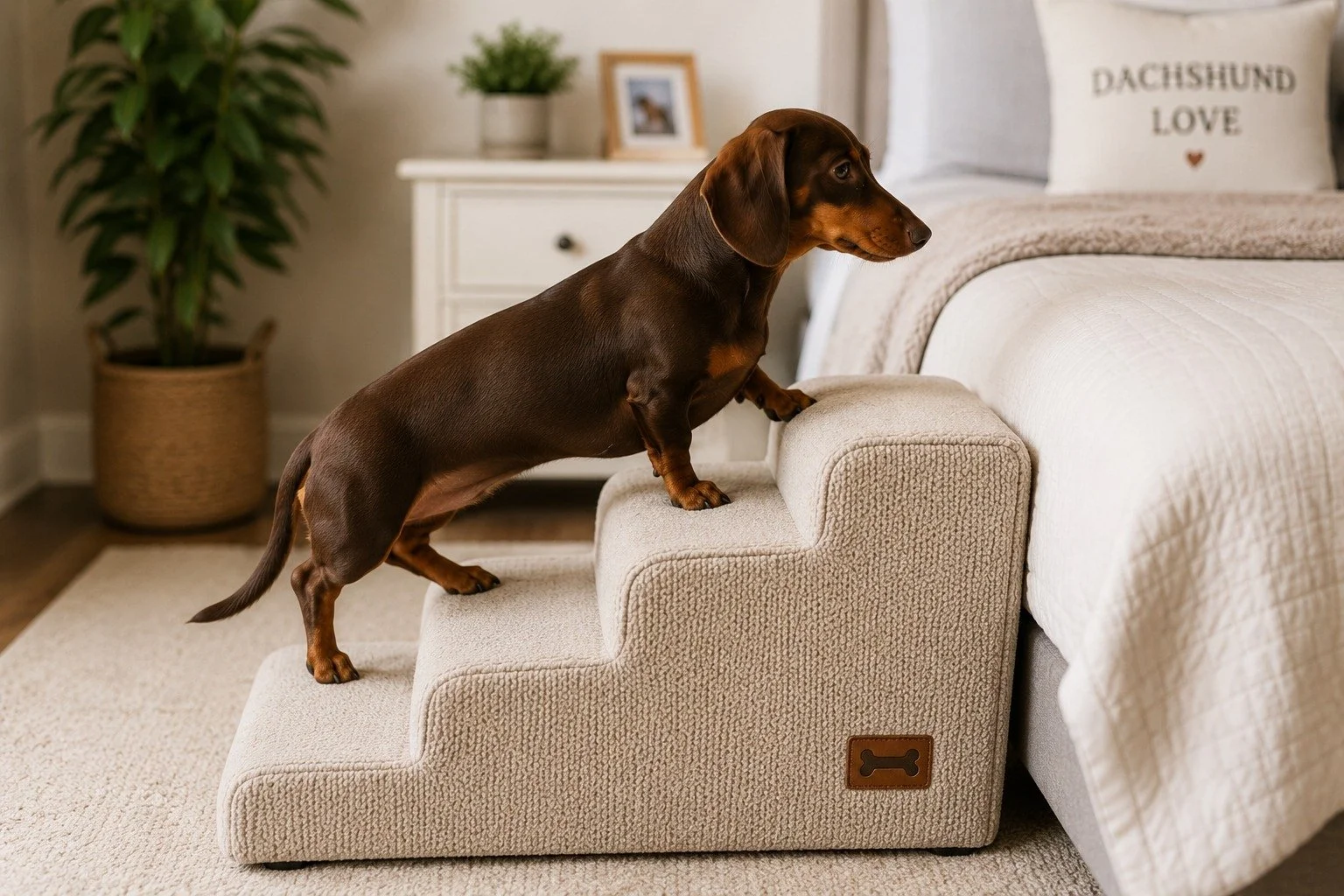
Dachshunds are loved for their long bodies, short legs, and playful personalities. However, their unique body structure also makes them more prone to certain spinal and back issues, particularly a condition known as Intervertebral Disc Disease (IVDD).
At Carolina Dachshunds, we believe education is an important part of responsible dachshund ownership. While we have not experienced IVDD in our breeding lines, it is still a genetic condition every dachshund owner should understand and take seriously.
🩺 What Is IVDD in Dachshunds?
Intervertebral Disc Disease (IVDD) is a spinal condition that occurs when the discs between the vertebrae begin to degenerate, bulge, or rupture. When this happens, pressure can be placed on the spinal cord and surrounding nerves.
This may lead to:
Pain
Weakness
Difficulty walking
Loss of coordination
In severe cases, paralysis
Dachshunds are considered one of the dog breeds most commonly associated with IVDD due to their long spinal structure and short legs.
🐶 Why Are Dachshunds More Prone to Back Issues?
Several factors contribute to the increased risk of IVDD in dachshunds.
🧬 1. Genetics
Dachshunds have a genetic predisposition to IVDD, especially a form called Type I IVDD, which often appears suddenly and at a younger age compared to other breeds.
Although genetics can increase risk, responsible breeding practices and proper care can play an important role in supporting long-term spinal health.
📏 2. Body Structure
The dachshund’s long back and shorter legs naturally place additional stress on the spine and intervertebral discs. Over time, this extra strain may contribute to disc degeneration or injury.
⚖️ 3. Obesity and Excess Weight
Maintaining a healthy weight is extremely important for dachshunds. Excess body weight places additional pressure on the spine and can increase the likelihood of back injuries and disc problems.
A healthy diet, portion control, and regular exercise all contribute to better spinal support.
🦘 4. Jumping and Physical Trauma
Activities that place sudden stress on the back may increase the risk of spinal injuries in dachshunds.
Examples include:
This is one reason we often recommend pet ramps or stairs for dachshund owners, especially for beds and couches.
🚨 Common Symptoms of IVDD in Dachshunds
Symptoms of IVDD can vary depending on the severity and location of the spinal injury.
Common warning signs may include:
Reluctance to jump or climb stairs
Difficulty walking
Stiffness or pain
Shivering or shaking
Crying out when touched or moved
Weakness in the legs
Loss of coordination
Paralysis in severe cases
If you notice any of these symptoms, contact your veterinarian immediately. Early intervention is extremely important.
🩺 Treatment Options for IVDD
Treatment depends on the severity of the condition and may include:
Rest and activity restriction
Anti-inflammatory medications
Pain management
Physical therapy
Surgery in more severe cases
Your veterinarian will determine the best treatment plan based on your dog’s condition and overall health.
🐾 How to Help Protect Your Dachshund’s Back
While IVDD cannot always be prevented, there are several ways dachshund owners can help reduce spinal strain and support long-term back health.
Helpful prevention tips:
Maintain a healthy weight
Limit jumping from furniture
Avoid rough handling
Schedule regular veterinary checkups
Simple lifestyle adjustments can make a significant difference over time.
❤️ Our Commitment at Carolina Dachshunds
At Carolina Dachshunds, our goal is to help families raise healthy, happy dachshunds while feeling informed and supported throughout every stage of ownership.
Understanding common dachshund health concerns like IVDD helps owners make thoughtful decisions that support their dog’s long-term comfort and quality of life.
Always consult your veterinarian if you have concerns about your dachshund’s mobility, spine health, or behavior.
🐾 Carolina Dachshunds, Inc.
Sweetest Dogs in the South
