

Dachshunds and Obesity: How to Help Your Dachshund Maintain a Healthy Weight
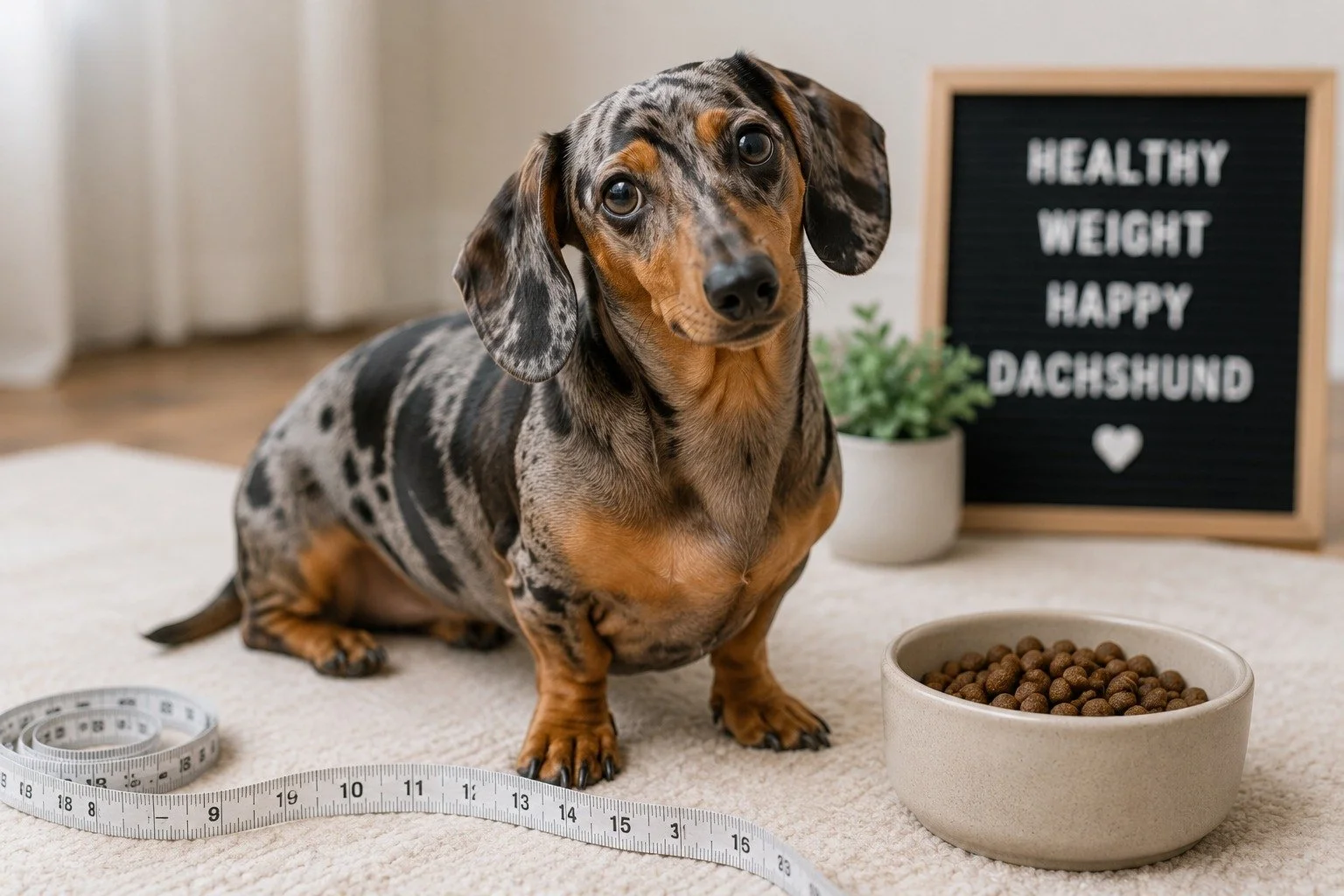
Dachshunds are affectionate, food-motivated companions known for their playful personalities and hearty appetites. While these traits are part of what makes the breed so lovable, they can also make dachshunds more prone to weight gain and obesity if their diet and activity levels are not carefully managed.
At Carolina Dachshunds, we believe maintaining a healthy weight is one of the most important ways owners can support their dachshund’s long-term health, mobility, and quality of life.
⚖️ Why Are Dachshunds Prone to Obesity?
Several factors contribute to obesity in dachshunds, including their appetite, body structure, and activity level.
🍖 1. Strong Appetite and Food Motivation
Dachshunds are well known for loving food. Many dachshunds enjoy treats, beg for table scraps, and can easily overeat if portions are not carefully monitored.
Without proper portion control, excess calories can quickly lead to unhealthy weight gain.
🐶 2. Lower Activity Levels
Although dachshunds enjoy walks and playtime, they are smaller dogs with shorter legs and generally do not require the same level of exercise as larger breeds.
If calorie intake is too high and activity levels are too low, weight gain can happen quickly.
🦴 3. Long Back and Body Structure
A dachshund’s long spine and short legs already place additional stress on the back and joints. Excess weight increases this strain even further and may increase the risk of spinal conditions such as Intervertebral Disc Disease (IVDD).
Maintaining a healthy body weight is one of the best ways to help support spinal health in dachshunds.
🧬 4. Genetics
Some dachshunds may also have a genetic predisposition to gaining weight more easily than others. Because of this, regular monitoring and healthy feeding habits are especially important.
🚨 Health Risks Associated with Obesity in Dachshunds
Obesity can negatively affect nearly every aspect of a dachshund’s health and mobility.
Potential health concerns include:
Respiratory problems
Diabetes
Heart disease
Reduced energy levels
Shortened lifespan
Even moderate excess weight can place significant stress on a dachshund’s spine and joints over time.
🐾 How to Help Prevent Obesity in Dachshunds
The good news is that obesity is often preventable with proper nutrition, exercise, and routine monitoring.
🍽️ 1. Practice Portion Control
Carefully measure food portions and avoid overfeeding. Follow feeding guidelines recommended by your veterinarian or the dog food manufacturer based on your dachshund’s:
Age
Weight
Activity level
Overall health
🥩 2. Feed a High-Quality Diet
Choosing a high-quality dog food with balanced nutrition is important for maintaining a healthy weight and supporting digestive health.
At Carolina Dachshunds, we often encourage owners to avoid lower-quality foods that contain excessive fillers such as:
Wheat
Corn
Soy
Higher-quality diets may also help reduce certain digestive sensitivities and gut-related issues in some dachshunds.
🚶 3. Encourage Regular Exercise
Regular activity helps maintain muscle tone, support spinal health, and prevent excess weight gain.
Healthy activities for dachshunds may include:
Short daily walks
Gentle play sessions
Supervised outdoor activity
Because dachshunds are prone to back issues, avoid activities involving excessive jumping or strain on the spine.
📏 4. Monitor Your Dachshund’s Weight
Regularly monitor your dachshund’s body condition and consult your veterinarian if you notice:
Rapid weight gain
Difficulty moving
Decreased activity
Changes in appetite
Early intervention can help prevent more serious obesity-related health concerns later on.
❤️ Supporting Long-Term Health in Dachshunds
Helping your dachshund maintain a healthy weight is one of the best investments you can make in their long-term health and comfort.
Simple habits like portion control, high-quality nutrition, and consistent exercise can help support:
Longer lifespan
Better overall quality of life
🐾 Our Commitment at Carolina Dachshunds
At Carolina Dachshunds, we believe education is an important part of responsible dog ownership. Our goal is to help families raise healthy, happy dachshunds while feeling informed and supported throughout every stage of life.
Always consult with your veterinarian regarding your dachshund’s diet, exercise routine, and ideal body condition.
🐾 Carolina Dachshunds, Inc.
Sweetest Dogs in the South
